
Lake Nakuru National Park: Kenya’s Scenic Flamingo Haven and Rhino Sanctuary
Tucked into the heart of Kenya’s Great Rift Valley, Lake Nakuru National Park is one of the country’s most beautiful and accessible safari destinations. Just a short drive from Nairobi, this compact yet wildlife-rich park combines dramatic escarpments, acacia forests, waterfalls, and a shimmering alkaline lake to create a landscape that feels both wild and incredibly photogenic.
Often added to itineraries alongside the Maasai Mara, Lake Naivasha, or Amboseli, Lake Nakuru is perfect for travelers who want excellent game viewing in a smaller, easy-to-explore park. From endangered rhinos and tree-climbing lions to vast flocks of birds and stunning viewpoints over the Rift Valley floor, this park delivers a surprisingly diverse safari experience in just a day or two.
Overview of Lake Nakuru National Park
Lake Nakuru National Park covers approximately 188 square kilometers (73 square miles) and surrounds the shallow soda lake that gives the park its name. Located on the floor of the Great Rift Valley, the area is framed by rocky escarpments, rolling hills, thick acacia woodland, and open grasslands.
Historically, the park was most famous for its enormous flamingo flocks that once turned the lake’s shoreline bright pink. In recent years, rising water levels have reduced the lake’s salinity, causing flamingo numbers to fluctuate. While the massive swarms are no longer guaranteed, smaller groups still appear seasonally, and the park remains a fantastic birding destination year-round.
Today, Lake Nakuru is equally celebrated for something else — its success as a rhino sanctuary, making it one of the best places in Kenya to see both black and white rhinos in the wild.
Despite its relatively small size, the park feels incredibly rich in wildlife and scenery. Because animals are accustomed to vehicles and roads circle much of the lake, visitors often enjoy close, relaxed sightings.
Wildlife You Can Expect to See
Lake Nakuru National Park is famous for offering excellent wildlife sightings in a relatively short time, which makes it perfect for first-time safari travelers or anyone on a tight schedule. Thanks to the park’s compact size, well-maintained road network, and animals that are accustomed to vehicles, game drives here often feel incredibly productive. It’s not unusual to see multiple species within just a few hours.
From colorful birdlife along the lake to endangered rhinos grazing on the plains, Lake Nakuru delivers a wonderfully diverse safari experience.
Flamingos and Birdlife
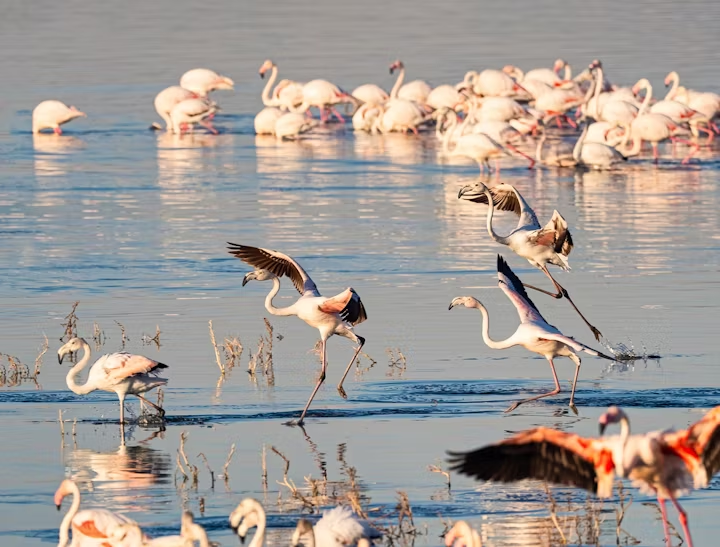
Lake Nakuru first gained international fame for its spectacular flamingo flocks. At certain times of the year, thousands of flamingos gather along the alkaline lake’s shoreline, feeding on algae and creating a stunning pink fringe around the water. When conditions are right, the sight of these birds lifting into the air together is nothing short of magical.
While flamingo numbers now fluctuate due to changing water levels, the park remains one of Kenya’s top bird-watching destinations. With over 450 recorded bird species, there’s always something to see.
Common sightings include:
Great white pelicans gliding across the lake
Cormorants drying their wings on rocks
Storks and herons stalking the shallows
African fish eagles calling from treetops
Bright kingfishers darting over the water
Raptors and owls hunting across the plains
Whether you’re a dedicated birder or a casual observer, the constant activity around the wetlands makes every game drive exciting.
Rhinos
Lake Nakuru is also renowned as a rhino sanctuary and is one of the most reliable places in Kenya to see both black and white rhinos. Conservation efforts have helped the population grow steadily, offering visitors rare opportunities to observe these endangered animals up close.
You might spot a white rhino calmly grazing on open grasslands or a more elusive black rhino browsing through shrubs. Watching one of these massive creatures just meters away, moving slowly and peacefully through the landscape, is often a highlight of any visit to the park.
Other Wildlife
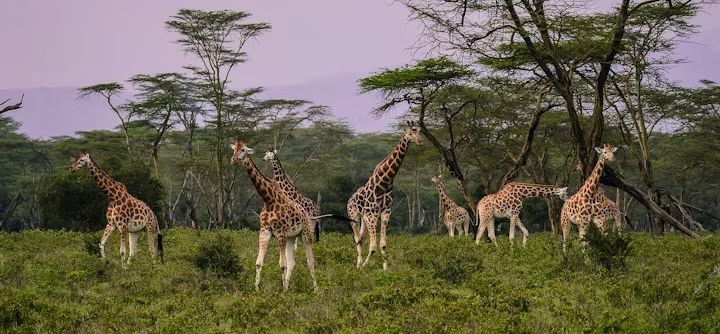
Beyond birds and rhinos, Lake Nakuru supports a wide variety of mammals that thrive in its forests, grasslands, and lakeside habitats.
Graceful Rothschild’s giraffes, one of the rarest giraffe subspecies, browse among the acacia trees, while herds of buffalo, zebras, and waterbucks graze across the plains. You’ll also see impalas, gazelles, elands, and warthogs scattered throughout the park, along with troops of playful baboons and monkeys along the roadsides and picnic areas.
Predators are present too. Lions are sometimes seen resting in the shade or even climbing trees in the wooded areas near Flamingo Hill. Leopards, though more elusive, are regularly reported and may be spotted lounging in the yellow-barked acacia trees, especially during early morning drives. Hyenas often patrol the park at dawn and dusk, adding to the classic safari atmosphere.
Scenic Highlights in the Park
Lake Nakuru isn’t just about wildlife — it’s also one of Kenya’s most photogenic parks.
Baboon Cliff
One of the best viewpoints in the park, Baboon Cliff offers panoramic views over the lake and surrounding landscapes. It’s the perfect place to stop for photos and stretch your legs during a game drive.
Makalia Waterfall
Located in the southern part of the park, Makalia Waterfall is especially beautiful during the rainy season when water cascades down the rocks into a small pool below.
Acacia Forests and Hills
The mix of woodlands, cliffs, and open plains gives Lake Nakuru a diverse, almost storybook-like setting that feels different from the wide-open savannahs of the Maasai Mara or Amboseli.
Best Things to Do in Lake Nakuru National Park
Lake Nakuru may be compact compared to Kenya’s larger reserves, but it offers a surprisingly wide range of activities. From productive game drives and relaxed bird watching to scenic viewpoints and photography stops, there’s plenty to fill a day or two in the park. Its small size also means less driving time and more time enjoying wildlife and scenery.
Game Drives
Game drives are the highlight of any visit to Lake Nakuru. Morning and afternoon drives take you along a network of roads that circle the lake and pass through forests, open plains, and wetlands — all prime wildlife habitats.
Because the park is compact, you can cover a lot of ground quickly and enjoy multiple sightings within just a few hours. It’s common to see rhinos grazing, giraffes browsing in the acacia trees, buffalo herds crossing the road, and troops of baboons along the way — sometimes all in one drive.
Early mornings are especially rewarding, with cooler temperatures and more active predators such as lions, leopards, and hyenas. Afternoon drives offer beautiful golden light and the chance to catch animals gathering near the lake to drink before sunset.
Bird Watching
With hundreds of recorded species, Lake Nakuru is a true paradise for birders. The lake’s alkaline waters, swamps, and surrounding woodlands create ideal conditions for both resident and migratory birds.
Bring a good pair of binoculars and take your time along the lakeshore and wetland areas. You may spot flamingos wading in the shallows, pelicans gliding across the water, herons stalking fish, or African fish eagles calling from the treetops. Even casual visitors will be amazed by the constant movement and variety of birdlife around the park.
Whether you’re a serious birder with a checklist or simply enjoy watching nature, birding here is relaxed and incredibly rewarding.
Photography
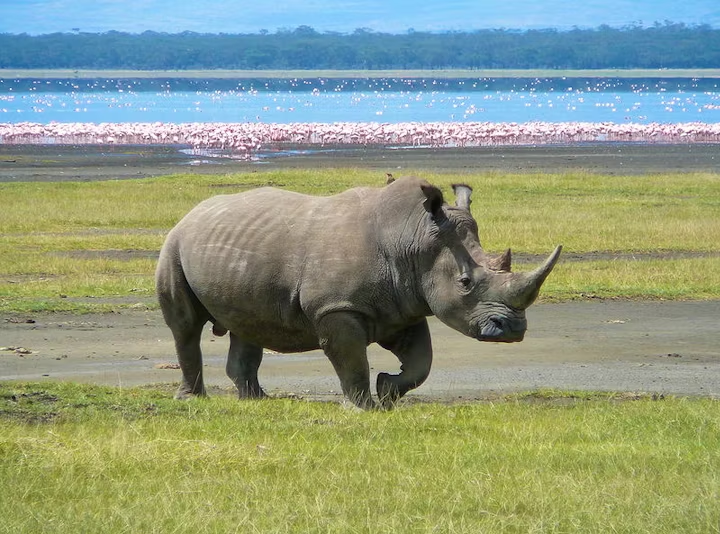
Lake Nakuru is one of Kenya’s most photogenic parks. The combination of wildlife, dramatic landscapes, and ever-changing light makes it a dream destination for photographers.
Capture flamingos painting the lake pink, rhinos silhouetted against the Rift Valley hills, giraffes framed by acacia trees, or waterfalls flowing after the rains. Sunrise and sunset are particularly magical, with soft light reflecting off the lake and creating perfect safari shots.
Even beginners with a smartphone can come away with stunning images thanks to how close animals often come to the road.
Picnics and Scenic Viewpoints
Lake Nakuru isn’t just about driving — it also offers several safe places to stop, stretch your legs, and soak in the scenery.
Designated picnic sites and viewpoints allow visitors to relax while enjoying sweeping views of the lake and surrounding escarpments. Popular stops include Baboon Cliff, which offers panoramic views across the entire park, and quieter spots near Makalia Falls, where you can enjoy the sound of rushing water and the fresh forest air.
These breaks add a slower, more peaceful element to your safari and give you time to fully appreciate the park’s natural beauty.
Best Time to Visit
Lake Nakuru National Park can be visited year-round, and each season offers a slightly different safari experience. The park’s compact size and reliable wildlife sightings mean there’s rarely a bad time to go — it really depends on what you want to see and the kind of scenery you prefer.
Dry Season (June–March)
The long dry months are generally considered the best time for wildlife viewing. With less rainfall, vegetation becomes thinner and animals gather around the lake and permanent water sources, making them easier to spot.
Roads are also drier and smoother, which makes game drives more comfortable and accessible. This is the ideal season for travelers who want clear skies, excellent photography conditions, and consistent sightings of rhinos, buffalo, giraffes, and predators.
Morning and evening drives during this period often offer crisp Rift Valley views and beautiful golden light — perfect for capturing wildlife and landscapes.
Wet Season (March–May)
The rainy season transforms Lake Nakuru into a lush, green paradise. Grasslands bloom, trees look vibrant, and waterfalls such as Makalia Falls become more dramatic and photogenic.
This is also a wonderful time for bird watching, as migratory species arrive and activity around the wetlands increases. The park feels quieter and less crowded, offering a more peaceful safari experience.
However, heavy rains can sometimes make roads muddy or slippery, so a 4×4 vehicle is recommended. If you don’t mind occasional showers, the scenery during this time is absolutely stunning.
Birdlife & Flamingos Year-Round
Birdlife remains excellent throughout the year, with over 400 species present in every season. Flamingo numbers, however, fluctuate depending on lake water levels and salinity. Some months bring impressive flocks, while others see fewer birds as they move between Rift Valley lakes.
Getting There & Around
One of Lake Nakuru National Park’s biggest advantages is how easy it is to reach, especially compared to many of Kenya’s more remote safari destinations. Its convenient location in the Great Rift Valley makes it perfect for short trips, weekend getaways, or as a stopover on a longer Kenya safari circuit.
Getting There
Lake Nakuru lies about 166 km (103 miles) northwest of Nairobi, and the drive typically takes 2–3 hours, depending on traffic and road conditions.
Most travelers reach the park via the A104 highway, a well-paved main road that passes through scenic Rift Valley viewpoints and small towns along the way. The journey itself is enjoyable, with sweeping views of escarpments and countryside landscapes.
You have several options for getting there:
Self-drive: Ideal for independent travelers
Private safari vehicle with a driver-guide: The most popular and stress-free option
Public transport or taxi to Nakuru town, then a taxi transfer to the park gate
Domestic flights: While there are nearby airstrips, most visitors prefer driving due to the short distance
Because of the good road conditions, Lake Nakuru is one of the few parks in Kenya that can comfortably be reached without a 4×4 vehicle.
Getting Around the Park
Thanks to its compact size and well-maintained road network, exploring Lake Nakuru is straightforward and efficient. You can often drive across most sections of the park in just half a day, making it possible to see a wide variety of wildlife in a short time.
Standard vehicles can usually manage the main roads during the dry season. However, during the rainy months, some tracks may become muddy or slippery, so a 4×4 vehicle is recommended for better comfort and safety.
Visitors can:
Self-drive
Hire a local taxi driver familiar with the park
Book guided game drives with lodges or tour operators
Travel with a professional safari guide for better wildlife spotting and insights
Many animals here are accustomed to vehicles, so you can often enjoy close sightings without long drives or off-road tracking.
Combining Lake Nakuru with Other Destinations
Because of its central location, Lake Nakuru is frequently included as part of a larger Kenya safari itinerary. It pairs easily with:
Lake Naivasha (boat rides and Crescent Island walks)
Maasai Mara (classic big game safaris)
Samburu (unique northern species)
Mount Kenya (hiking and scenic landscapes)
Amboseli (elephants and Kilimanjaro views)
Many travelers use Lake Nakuru as a relaxing stop between longer safari legs or as the first or last park when starting or ending in Nairobi.
Where to Stay
Lake Nakuru National Park offers a wide range of accommodation options, making it easy to find something that fits your travel style and budget. Whether you’re looking for luxury with sweeping lake views, a comfortable mid-range lodge, or a simple campsite close to nature, there’s something for everyone.
Many properties are located inside the park or right along its borders, meaning you might spot zebras grazing outside your room, baboons wandering through the gardens, or buffalo passing nearby at dawn. Waking up to birdsong and Rift Valley views is part of the experience here.
Luxury Lodges
If you’re after comfort, style, and premium service, these lodges offer a more exclusive safari stay with beautiful settings and excellent amenities.
Sarova Lion Hill Game Lodge
Set on “Lion Hill” overlooking the lake, this is one of the most popular luxury lodges in Nakuru. The rooms are chalet-style with private terraces, many offering panoramic views across the park.
Guests enjoy:
Spacious rooms with modern comforts
Swimming pool and spa
Restaurant and bar with scenic views
Easy access to prime game drive routes
It’s perfect for families, couples, and travelers who want comfort after long game drives.
The Cliff Nakuru
For something more unique and upscale, The Cliff offers a boutique “glamping” experience. Luxury tented suites sit dramatically on a cliff edge above the lake, blending safari adventure with five-star elegance.
Expect:
Stylish tented rooms with bathtubs and private decks
Infinity pool overlooking the lake
Fine dining and personalized service
A quiet, romantic atmosphere
This is an excellent choice for honeymooners or travelers seeking privacy and luxury.
Mid-Range Options
Mid-range accommodations balance comfort and affordability while still offering a true safari feel.
Lake Nakuru Lodge
Located inside the park, this lodge is known for its friendly atmosphere and reliable wildlife sightings around the property. Rooms are simple but comfortable, and the setting among acacia trees is lovely.
Highlights include:
Lake-view rooms and cottages
Swimming pool
On-site restaurant and bar
Wildlife often seen near the lodge
It’s a great all-round option for families and small groups.
Flamingo Hill Tented Camp
This eco-friendly tented camp combines comfort with a close-to-nature safari vibe. The canvas tents are permanent and well furnished, offering a classic “safari under the stars” experience.
Guests enjoy:
Cozy en-suite tents
Garden setting with plenty of birds
Restaurant serving fresh local cuisine
Quiet, relaxed atmosphere
Ideal for travelers who want something authentic without going fully rustic.
Budget-Friendly Stays
For backpackers, students, or travelers watching costs, there are several budget campsites and guesthouses available.
Inside the park, basic campsites allow you to sleep close to nature, though facilities are simple. Alternatively, staying in Nakuru town offers many affordable hotels, hostels, and guesthouses just 20–30 minutes from the park gate.
These options are perfect if you:
Prefer self-drive safaris
Want flexible pricing
Don’t mind fewer amenities
Plan to spend most of your time on game drives
Quick Tip
If you want the full safari atmosphere and early access to wildlife, staying inside the park or on its borders is highly recommended. For tighter budgets, Nakuru town provides excellent value while still being conveniently close.
Why Visit Lake Nakuru?
Lake Nakuru National Park is ideal for travelers who want a short, scenic, and wildlife-rich safari without traveling far from Nairobi. Its unique combination of flamingos, rhinos, diverse birds, and dramatic landscapes creates an experience that feels both relaxing and exciting.
If you’re looking for a compact park that still delivers classic African safari magic, Lake Nakuru won’t disappoint.
Frequently Asked Questions (FAQs)
1. What is Lake Nakuru National Park famous for?
Lake Nakuru is known for flamingos, rhino conservation, diverse birdlife, and scenic Rift Valley landscapes.
2. How far is Lake Nakuru from Nairobi?
About 166 km, roughly a 2–3 hour drive.
3. Can I visit Lake Nakuru in one day?
Yes. The park is compact and can easily be explored on a day trip, though an overnight stay allows a more relaxed experience.
4. Are flamingos still found at Lake Nakuru?
Yes, but numbers fluctuate. Large flocks are seasonal due to changing water levels and salinity.
5. What animals can I see?
Rhinos, lions, leopards, buffalo, giraffes, zebras, antelopes, baboons, and hundreds of bird species.
6. Do I need a 4×4 vehicle?
Not always. Many roads are accessible with a standard car, though a 4×4 is helpful during the rainy season.
7. How many days should I spend here?
1–2 days is usually enough to enjoy game drives, viewpoints, and bird watching.
8. Can I combine Lake Nakuru with other parks?
Yes. It’s commonly combined with Maasai Mara, Lake Naivasha, Samburu, or Amboseli.
