Where to stay in Masai Mara
May 6, 2025
Could Mike Tyson Beat a Gorilla in a Fight?
May 16, 2025
Uganda vs Rwanda Gorilla Trekking
Gorilla trekking is one of the most intimate and awe-inspiring wildlife experiences on Earth. Standing just meters away from a wild silverback in the misty forests of East Africa is something few will ever forget. But if you’re planning your dream gorilla trek, the big question is: Should you go to Uganda or Rwanda?
Both countries are home to endangered mountain gorillas and offer incredible trekking opportunities, but they differ in cost, trekking difficulty, accessibility, and overall vibe. In this guide, we compare Uganda vs Rwanda gorilla trekking to help you make the best decision for your adventure.
Where Can You Trek Gorillas?
Uganda
Uganda is home to nearly half of the world’s remaining mountain gorillas and offers gorilla trekking in two national parks: Bwindi Impenetrable Forest and Mgahinga Gorilla National Park.
Bwindi is the most popular and has over 20 habituated gorilla families spread across four trekking sectors (Buhoma, Ruhija, Rushaga, Nkuringo). It’s a dense rainforest with steep hills and thick vegetation, offering a wild and rugged jungle experience.
Mgahinga, located in the Virunga Mountains, is smaller and quieter, with just one habituated group, but it offers a serene trek and stunning volcano views.
Rwanda
Rwanda’s Volcanoes National Park is where all gorilla trekking takes place. Located in the Virunga range just like Mgahinga, Volcanoes NP is home to about 12 habituated families.
The terrain here is more open, with bamboo forests and shorter vegetation, making the trekking feel easier and more scenic. The experience is well-managed and ideal for travelers who prefer smoother logistics and a more luxury-oriented feel.

1. Gorilla Permit Costs: Uganda Wins for Budget
One of the biggest differences is the cost of gorilla permits.
Uganda costs $800 USD per person
Rwanda costs $1,500 USD per person
Uganda offers a significantly more affordable experience while still providing high-quality treks. This makes it the better option for travelers on a budget, families, and those planning longer safaris with multiple activities.
Rwanda, on the other hand, has positioned itself as a premium destination, with higher permit prices and luxury lodges that cater to upscale travelers.
Tip: Uganda also offers a Gorilla Habituation Experience at $1,500 for a 4-hour encounter, a unique offering not available in Rwanda.
2. Trekking Experience & Terrain
Uganda – Wild, Dense & Adventurous
Trekking in Uganda, especially in Bwindi, is often more physically demanding. The dense undergrowth, steep hills, and unpredictable gorilla movement mean you might hike for anywhere from 2 to 8+ hours. However, for many, this challenge adds to the sense of adventure and reward.
Expect thick jungle, muddy trails, and the occasional need to grab tree trunks or crawl under branches. Porters are available and highly recommended.
Rwanda – Scenic & Easier Hikes
In Rwanda, the hikes are generally shorter and less strenuous, usually lasting 1 to 4 hours. The forest is more open, making it easier to navigate, especially for older travelers or those less physically active. This makes Rwanda popular for short trips or travelers who want a smoother, more comfortable trek.
3. Accessibility & Travel Time: Rwanda vs Uganda
Rwanda – Quick and Easy
Rwanda is the most convenient destination for gorilla trekking in Africa when it comes to travel logistics. Volcanoes National Park, the home of Rwanda’s mountain gorillas, is located just about 120 kilometers (75 miles) from Kigali International Airport — roughly a 2.5-hour drive on paved roads. This accessibility makes Rwanda ideal for:
Short vacations or weekend getaways
Luxury travelers who want to minimize time on the road
Corporate or business travelers adding a wildlife experience to a trip
You can literally land in Kigali in the morning, transfer to Musanze (the park’s base town), and be ready for your gorilla trek the very next day with minimal travel fatigue. Many lodges near Volcanoes National Park are within 30–45 minutes of the trekking point, making logistics incredibly easy.
For travelers who value efficiency, comfort, and time savings, Rwanda is the clear winner.
Uganda – Longer and Scenic
In contrast, gorilla trekking in Uganda typically requires more travel time, but also opens the door to a more diverse and immersive safari experience.
The main gorilla trekking destinations, Bwindi Impenetrable National Park and Mgahinga Gorilla National Park, are located in Uganda’s remote southwestern corner. From Entebbe International Airport, expect:
A 9–10 hour drive to Bwindi (Ruhija, Rushaga, Buhoma, or Nkuringo sectors)
An 8-hour drive to Kisoro town for Mgahinga
Travel via paved and dirt roads, winding through beautiful highlands, tea plantations, and rural villages
Although the drive is long, it’s incredibly scenic and culturally rich — passing through places like Lake Mburo, Mbarara, and Kabale. Many travelers use this opportunity to create a multi-stop safari circuit, combining gorilla trekking with:
Queen Elizabeth National Park (tree-climbing lions, Kazinga Channel)
Kibale Forest (chimpanzee tracking)
Lake Mburo (zebra, eland, walking safaris)
Ziwa Rhino Sanctuary (rhino trekking)
Fly-In Safaris for Comfort
For travelers who want to avoid the long drive, Uganda offers domestic flights to nearby airstrips such as:
Kihihi Airstrip – best for Buhoma and Ruhija sectors of Bwindi
Kisoro Airstrip – best for Rushaga, Nkuringo, or Mgahinga
These flights take about 1 hour from Entebbe Airport and are offered by airlines like Aerolink and Bar Aviation, often paired with lodge pick-up from the airstrips. While pricier than driving, fly-in safaris provide comfort, speed, and stunning aerial views of the Albertine Rift.
4. Gorilla Families and Availability
Uganda is home to over 20 habituated gorilla families, mainly spread across four trekking sectors in Bwindi: Buhoma, Ruhija, Rushaga, and Nkuringo. This higher number of gorilla families means more daily permit availability and greater flexibility in planning your trek — especially useful during peak seasons or for large groups.
Rwanda, in comparison, has around 12 habituated families in Volcanoes National Park, which can limit availability during the busy months of June–September and December–February. However, the smaller number of families also makes for a more intimate and organized experience.
5. Luxury vs Budget Accomodations
Rwanda’s gorilla trekking lodges focus heavily on the luxury market, offering a refined and exclusive experience. High-end properties like Bisate Lodge, One&Only Gorilla’s Nest, and Singita Kwitonda provide world-class amenities such as private butlers, gourmet dining, spa services, and seamless airport transfers. These lodges are designed for travelers seeking comfort, privacy, and exceptional service, often catering to honeymooners, luxury safari enthusiasts, and short-stay visitors who prioritize convenience and elegance. Budget and midrange options in Rwanda are limited and tend to be more expensive, reflecting the country’s premium tourism positioning.
In contrast, Uganda offers a broader and more balanced accommodation spectrum, appealing to a wide variety of travelers. From affordable eco-lodges and budget guesthouses to midrange cabins and luxury forest retreats like Clouds Mountain Gorilla Lodge and Bwindi Lodge, Uganda caters well to independent travelers, families, small groups, and backpackers. The variety allows for greater flexibility in travel planning and budgets, making Uganda ideal for those seeking an authentic wilderness experience combined with value. This diversity in lodging options enhances Uganda’s appeal for longer, more immersive safari adventures that combine gorilla trekking with other wildlife and cultural experiences.
6. Safari Extensions – Uganda Offers More
Uganda stands out for its remarkable landscape diversity and the variety of safari extensions available beyond gorilla trekking. The country’s rich tapestry includes dense rainforests, expansive savannahs, tranquil lakes, and volcanic highlands—all accessible within a single itinerary. After your gorilla trek, you can easily extend your adventure with classic African safaris in renowned parks like Queen Elizabeth National Park, Murchison Falls, or Lake Mburo. These parks offer opportunities to see iconic wildlife such as lions, elephants, hippos, and buffalo, providing a comprehensive wildlife experience. Additionally, Uganda’s Kibale Forest is widely regarded as the best spot in East Africa for chimpanzee tracking, making it a prime destination for primate enthusiasts seeking diverse wildlife encounters.
Rwanda, by contrast, is famous for its stunning misty mountains and lush volcanic landscapes that create a breathtaking backdrop for gorilla trekking. However, its options for traditional safaris are more limited. Akagera National Park, Rwanda’s main safari destination, offers a boutique experience with a recovering ecosystem that is gradually regaining its wildlife populations. While Akagera provides scenic landscapes and the chance to see big game, it does not yet match the scale or diversity of Uganda’s safari parks. As a result, Rwanda is often favored by travelers who prioritize gorilla trekking and luxury, while Uganda appeals to those looking for a broader range of wildlife experiences and landscape variety.

Combining Uganda and Rwanda for gorilla trekking
Combining Uganda and Rwanda for gorilla trekking is one of the most enriching ways to experience East Africa’s primate wonders. These neighboring countries both offer the rare opportunity to encounter mountain gorillas in their natural habitat, yet they deliver distinct experiences in terms of terrain, cost, and travel style. Rwanda’s Volcanoes National Park is known for its accessibility and luxury — just a 2.5-hour drive from Kigali International Airport, it attracts travelers who want a smooth, upscale experience with shorter, easier treks and premium lodges. On the other hand, Uganda’s Bwindi Impenetrable Forest and Mgahinga Gorilla National Park offer a more adventurous and immersive trekking experience at a lower cost, with longer trails through thick jungle, a variety of gorilla families, and a wider range of accommodations from budget to luxury.
Travelers often fly into Kigali and combine both countries in one trip thanks to the short 3–4 hour drive between Volcanoes NP and Bwindi. With the East Africa Tourist Visa, border crossing is easy and seamless, allowing travelers to maximize their time without visa complications. This kind of itinerary not only allows visitors to compare the unique trekking styles and environments of each country, but also opens up access to more gorilla permits, reduces the risk of cancellations due to availability, and adds variety to the overall safari. Whether you choose to trek in both parks or pair one gorilla trek with chimp tracking, game drives, or cultural tours, a combined Uganda-Rwanda safari delivers the most complete and unforgettable gorilla adventure available.
Best Time to Go Gorilla Trekking in Uganda and Rwanda
The best time to go gorilla trekking in both Uganda and Rwanda is during the dry seasons, which run from:
June to September (long dry season)
December to February (short dry season)
During these months, the trails in Bwindi, Mgahinga, and Volcanoes National Park are less muddy and easier to navigate, making the treks more comfortable and rewarding. Wildlife is also more active and easier to spot, and the chance of rain disrupting your trek is lower. These periods are ideal for photography, as visibility is clearer and lighting is better in the forest.
That said, gorilla trekking is available year-round, and the rainforests are always lush and beautiful. The low seasons—March to May and October to November—bring more rain, but they also offer fewer crowds, more permit availability, and sometimes discounted accommodation rates. If you’re well-prepared with waterproof gear and good hiking boots, trekking in the rainy season can still be a magical experience — with misty atmospheres and fewer tourists on the trail.

10 Days Rwanda and Uganda Gorilla Safari
Best Of Uganda and Rwanda Gorilla Trekking, Chimpanzee Trekking and Big five Safaris.

4 Days Luxury Rwanda Gorilla Trekking
A luxury Five Star Rwanda Gorilla trekking tour to Volcanoes National Park

4 Days Double Gorilla Trekking
2 X Gorilla Trekking in Rwanda’s Volcanoes National Park. Double Gorilla Trekking Double Experience

5 Days Rwanda Gorilla and chimpanzee
Gorilla trekking in Volcanoes National Park & Chimpanzee Trekking In Nyungwe Forest

6 Days Rwanda Gorilla and safari tour
Gorilla Trekking in Volcanoes National Park and Classic Big Five safari in Akagera National Park.

2 Days Rwanda Gorilla Trekking Experience
Mountain Gorilla Trekking in Volcanoes National Park and Rwanda Culture.
What to Prepare for Gorilla Trekking
Gorilla trekking in Uganda or Rwanda is a once-in-a-lifetime experience, but it’s also a physically demanding adventure that requires advance planning. From booking permits to wearing the right gear, being prepared ensures you enjoy your trek without unnecessary discomfort or surprises. Below is everything you need to know to prepare for your gorilla encounter in the jungle.
Book Your Gorilla Permit Early
The very first step is to secure your gorilla permit — without one, you won’t be allowed to trek. Permits are limited to just 8 people per gorilla family per day, and they often sell out months in advance, especially in peak seasons. In Uganda, permits currently cost $800 per person, while Rwanda charges $1,500 per person. Booking through a reputable tour operator or directly with the Uganda Wildlife Authority (UWA) or Rwanda Development Board (RDB) is highly recommended. Be sure to confirm your permit before booking flights or hotels.
Physical and Mental Preparation
Gorilla trekking isn’t just a walk in the park — it often involves hiking for several hours through steep hills, muddy trails, and dense rainforest. Some gorilla groups are found quickly, while others may require up to 6 hours of trekking at high altitude. To prepare, it’s advisable to build up your fitness with hill walks, cardio exercises, or nature hikes in the weeks leading up to your trip. Being mentally ready is also important. You may get wet, tired, or muddy — but with the right mindset, these challenges become part of the adventure.
Essential Gear and Packing List
What you pack can make or break your gorilla trekking experience. Start with sturdy, waterproof hiking boots that have good ankle support — the terrain can be slippery and uneven. Wear long pants and a long-sleeved shirt to protect against stinging nettles, thorny branches, and insects. You’ll also want to bring a light rain jacket or poncho, as rain is common even in the dry season. A pair of gardening gloves is useful for grabbing onto vegetation while climbing steep slopes.
Other must-haves include a reusable water bottle (at least 2 liters) to stay hydrated, some energy snacks, and insect repellent to protect against bites. You’ll be briefed before the trek and provided with a walking stick, but you may also choose to bring a waterproof daypack, binoculars, or gaiters to keep mud and insects out of your boots. If you’re bringing a camera, remember that flash photography is not allowed when near gorillas.
Other Things to Consider
It’s also wise to pack light layers that can be added or removed depending on the weather. Some lodges offer laundry services, but it’s best to carry quick-drying clothing. Consider getting travel insurance that covers medical evacuation in case of emergencies, especially since trekking happens in remote locations. A small amount of local currency may also be useful for tipping porters or purchasing local crafts.
Where to Stay During Gorilla Trekking in Uganda & Rwanda
Choosing the right lodge or hotel is a key part of planning your gorilla trekking adventure. Whether you’re seeking luxury, midrange comfort, or budget-friendly options, both Uganda and Rwanda offer a range of accommodations near the gorilla trekking parks. Your choice will often depend on your budget, travel style, and how close you want to be to the park headquarters.

Accommodation Options in Uganda (Bwindi & Mgahinga)
Uganda offers a wide spectrum of lodging choices around Bwindi Impenetrable Forest National Park, which has four main trekking sectors: Buhoma, Ruhija, Rushaga, and Nkuringo. Each sector has its own set of lodges, and it’s important to book your lodge near the sector listed on your gorilla permit to avoid long drives on the day of your trek.
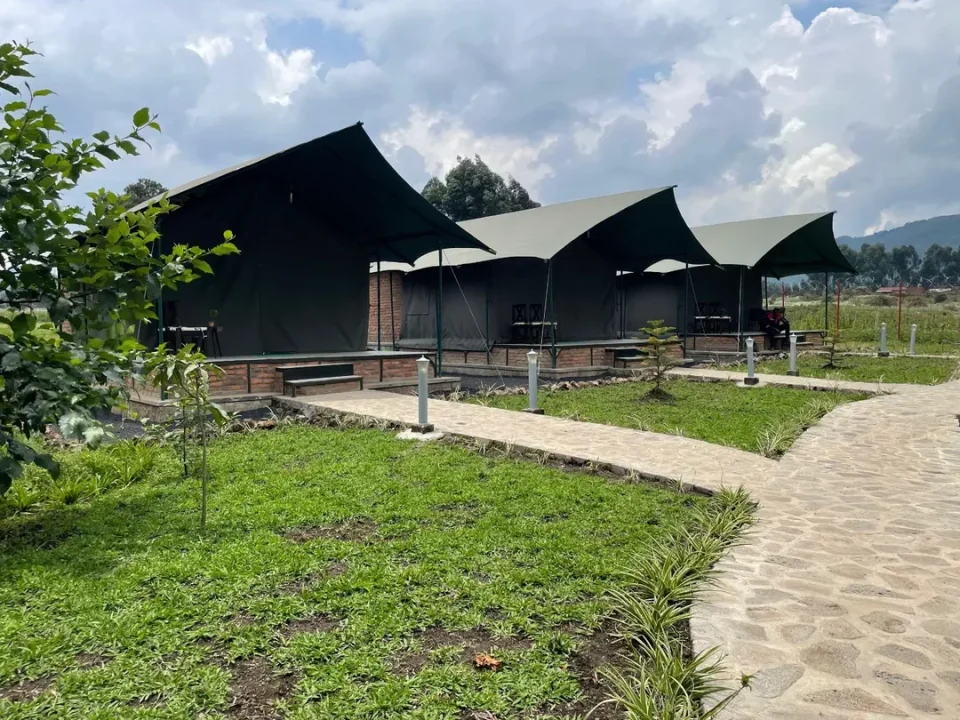
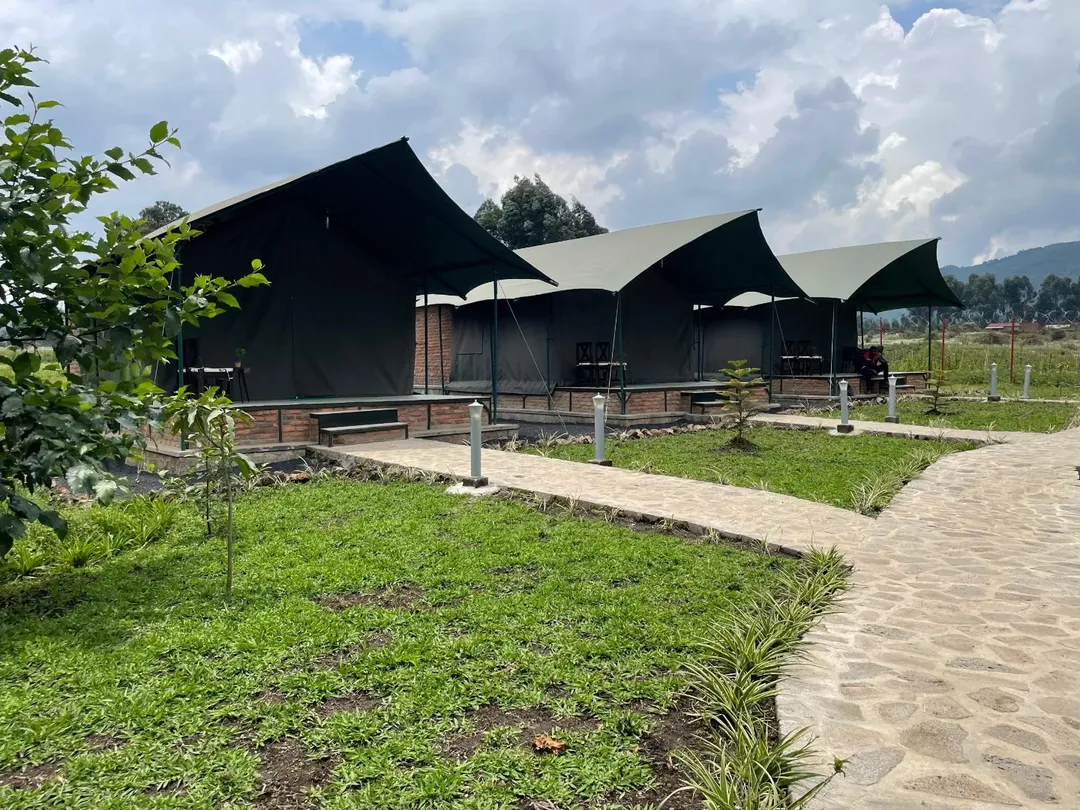
For luxury travelers, options like Clouds Mountain Gorilla Lodge, Bwindi Lodge, and Mahogany Springs offer stunning views, private cottages, and all-inclusive service. These lodges are known for their personalized experiences and proximity to the trailheads.
Midrange travelers will find great comfort and value at places like Ichumbi Gorilla Lodge, Rushaga Gorilla Camp, and Engagi Lodge, which provide warm hospitality, en-suite bathrooms, and local charm. Budget options include Broadbill Forest Camp, Bwindi Backpackers Lodge, and Rushaga Haven Lodge, which offer basic but comfortable stays for backpackers and group travelers.
In Mgahinga Gorilla National Park, which is smaller but less crowded, you’ll find peaceful options like Mount Gahinga Lodge (luxury) and Traveler’s Rest Hotel in Kisoro (budget/midrange), which is popular among gorilla researchers and conservationists.
Accommodation Options in Rwanda (Volcanoes National Park)
Rwanda has positioned itself as a high-end gorilla trekking destination, and many of the lodges near Volcanoes National Park cater to the luxury market. Some of Africa’s most exclusive properties can be found here, including Bisate Lodge, One&Only Gorilla’s Nest, and Sabyinyo Silverback Lodge. These lodges blend stunning architecture, immersive views of the Virunga Volcanoes, gourmet cuisine, and spa services — ideal for luxury and honeymoon travelers.
For midrange travelers, options like Five Volcanoes Boutique Hotel, Le Bambou Gorilla Lodge, and Da Vinci Lodge provide stylish, comfortable rooms within a short drive of the park headquarters. Budget travelers can find more affordable options in nearby Musanze town, such as La Locanda, Amahoro Guest House, or Fatima Hotel, which are clean, safe, and often have restaurant facilities.
How To Get There
To reach Bwindi Impenetrable Forest in Uganda, most travelers fly into Entebbe International Airport (EBB), located near the capital, Kampala. From Entebbe, it’s about an 8–10 hour drive to Bwindi, depending on the trekking sector. For a faster alternative, domestic flights are available from Entebbe to Kihihi or Kisoro airstrips, followed by a short road transfer to your lodge. Travelers looking for a quicker route often fly into Kigali, Rwanda, and drive 4–5 hours across the border to southern Bwindi (Rushaga or Nkuringo), making it an efficient option.
To get to Mgahinga Gorilla National Park, you can also use Entebbe Airport and drive approximately 10 hours via Kabale and Kisoro, or take a domestic flight to Kisoro Airstrip followed by a 1-hour drive. Like with southern Bwindi, many visitors opt to land in Kigali and take a 4-hour scenic drive into Uganda through the Cyanika border, offering quicker access to Mgahinga, especially for travelers on a tight schedule.
For Volcanoes National Park in Rwanda, the most convenient route is flying into Kigali International Airport (KGL). From Kigali, it’s an easy and picturesque 2.5-hour drive to Musanze (Ruhengeri), the gateway town to the park. Most lodges are located within 30 minutes of the park headquarters in Kinigi, making Rwanda ideal for short gorilla trekking trips or luxury getaways with minimal travel time.
Frequently Asked Questions (FAQs) About Getting to Gorilla Trekking
What is the nearest airport to Bwindi Impenetrable Forest?
The nearest major airport to Bwindi is Entebbe International Airport (EBB) in Uganda. From there, you can take a long road trip or a domestic flight to closer airstrips like Kihihi or Kisoro.
Can I fly directly to Bwindi?
There are no international flights directly to Bwindi, but you can take domestic charter flights from Entebbe to Kihihi or Kisoro airstrips, which are much closer to Bwindi. From these airstrips, a short drive will take you to your lodge or the park entrance.
Is it better to enter Bwindi from Uganda or Rwanda?
Both options are possible. Entering from Uganda via Entebbe is common, but many travelers prefer flying into Kigali, Rwanda, and then driving 4–5 hours to southern Bwindi for a shorter and more comfortable transfer.
How do I get to Mgahinga Gorilla National Park?
Mgahinga can be reached by road from Entebbe (about 10 hours’ drive) or by flying into Kisoro airstrip, followed by a short drive. Another popular route is via Kigali, Rwanda, with a 4-hour scenic drive crossing the Cyanika border.
What airport do I fly into for Volcanoes National Park in Rwanda?
The closest airport is Kigali International Airport (KGL). From Kigali, it’s approximately a 2.5-hour drive to Musanze town, the gateway to Volcanoes National Park.
Are road transfers from Kigali to the gorilla parks safe and reliable?
Yes, the roads between Kigali and the gorilla trekking areas are generally in good condition and safe. Most transfers are arranged by tour operators or lodges in comfortable 4×4 vehicles.
Do I need a visa to travel between Uganda and Rwanda for gorilla trekking?
Visa requirements depend on your nationality. Many travelers can obtain visas on arrival or apply for e-visas online. Both countries have a single tourist visa that allows travel between Uganda, Rwanda, and Kenya, simplifying multi-country trips.
How long should I plan for transfers to gorilla trekking parks?
Transfers from Entebbe to Bwindi typically take 8–10 hours by road, while flights to nearby airstrips can shorten travel time. From Kigali, expect a 2.5 to 5-hour drive depending on the park, making Rwanda an ideal entry point for shorter trips.
Final Thoughts
Still undecided between Uganda and Rwanda for gorilla trekking? The choice ultimately depends on your travel priorities. Uganda is ideal for adventurous travelers seeking a more rugged, immersive jungle experience at a lower cost, with the added bonus of diverse wildlife and budget to mid-range accommodations. On the other hand, Rwanda caters to those who value convenience, shorter travel times, and a more luxurious, curated trekking experience with world-class lodges and easier hiking conditions. Whichever you choose, the reward is the same: an unforgettable hour in the presence of endangered mountain gorillas. Your journey not only offers a once-in-a-lifetime wildlife encounter but also directly supports critical conservation efforts and local communities, helping ensure that these majestic creatures continue to thrive for future generations.