

Where to stay in Serengeti National park
April 29, 2025
Packing for safari in Masai Mara
May 1, 2025Packing for Serengeti wildebeest safari can be both exciting and a bit overwhelming. With the rugged terrain, unpredictable weather, and the thrill of spotting wildlife, you’ll want to be well-prepared. The key is finding the perfect balance between comfort, practicality, and readiness for adventure.
In this guide, we’ll dive into the essentials you need to pack for Serengeti wildebeest safari to ensure a smooth and unforgettable Serengeti experience.
Let’s get to it.
SAFARI PACKING GUIDE | What to pack for an East African Safari!
Packing for Serengeti wildebeest safari
1. Anti-Malarial Medication
Your health should be your first priority when planning a trip to Africa, especially to regions like the Serengeti. One of the biggest concerns in tropical climates is the presence of mosquitoes—and with them, the risk of malaria.
To protect yourself, start your medical preparations well in advance. Visit your healthcare provider a few months before departure to discuss necessary vaccinations, such as yellow fever, and to get prescribed anti-malarial pills.
Vaccines can guard against some diseases, but they don’t protect you from malaria—only medication can. Begin your course of anti-malarials as directed, and be sure to pack enough for the duration of your trip.
2. Binoculars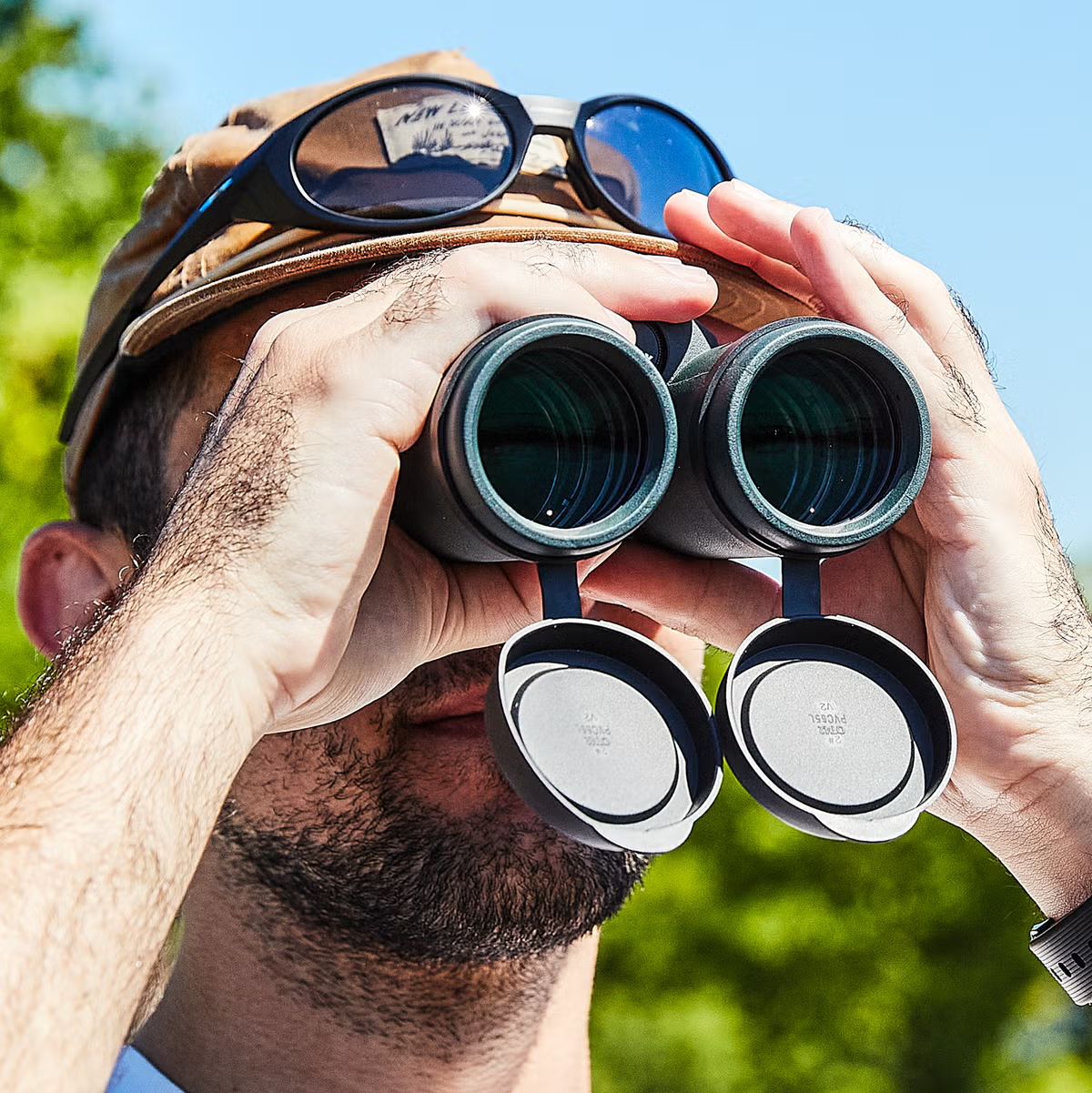
No safari kit is complete without a good pair of binoculars. They’re your ticket to observing wildlife up close—without actually getting too close.
Take wildebeests, for example. These muscular grazers can stand over four feet tall and tip the scales at around 550 pounds. Now imagine thousands of them moving together during the Great Migration—it’s an awe-inspiring spectacle, but definitely one best admired from a safe distance.
With binoculars, you can take in the details, from the twitch of an ear to the ripple of movement across a herd, all while staying comfortably and safely in your vehicle.
3. Camera
If you don’t capture the moment, did it really happen? In the age of digital memories, bringing a camera on your safari isn’t just a suggestion—it’s essential.
Sure, snapping photos gives you something to share with friends and family. But more importantly, they serve as lasting keepsakes of moments that words alone can’t describe—like the thunder of hooves during the Great Migration or a lioness surveying the plains at sunrise.
Especially if this is a once-in-a-lifetime trip, make your camera a top priority. Whether it’s a high-end DSLR or a quality mirrorless setup, you’ll want the best gear you can bring to do justice to what you’re about to witness.
4. Warm Clothing

Things you must pack for your Tanzania safari
It might come as a surprise, but yes—warm clothes are a must for your Serengeti adventure. While the sun scorches the savannah by day, the nights tell a different story. As soon as the sun dips below the horizon, temperatures can drop into the 50s or 60s (°F), leaving the air brisk and cool.
Despite the Serengeti’s tropical location, the combination of altitude and open terrain means you’ll want to be ready for chilly evenings and early morning game drives. A simple layering strategy works best—think a cozy hoodie, light jacket, warm socks, and sturdy boots.
The silver lining? You won’t need to overpack. Most safari camps offer laundry services, so you can travel light and still stay comfortable throughout your stay.
5. Sun Protection
While you’ll need layers for the chilly nights, don’t forget the flip side—protection from the blazing Serengeti sun. Even during the cooler months of the Great Migration, the sunlight can be intense, especially in the open plains with little natural shade.
There’s no single solution, so it’s smart to combine a few methods. A high-SPF sunscreen is a must, and a wide-brimmed hat or cap will help shield your face and neck. Lightweight, breathable clothing with long sleeves can also reduce sun exposure while keeping you surprisingly cool.
Ultimately, it’s a balancing act—cover up to avoid too much sunscreen, or go light and reapply often. Pick whichever feels less bothersome, but don’t underestimate the strength of the equatorial sun.
6. Light
If you’ve ever lived in or near a city, you’re probably familiar with light pollution—the constant urban glow that dims the stars. In the Serengeti, there’s none of that. Once the sun goes down, it’s pure, unfiltered darkness—a level of night most of us rarely experience.
That’s why bringing a reliable flashlight or headlamp is essential. Even though many safari lodges and camps provide indoor bathrooms—sometimes even en suite facilities—lighting can be limited, and electricity isn’t always guaranteed around the clock.
There’s also a practical reason safari accommodations are built this way: safety. Wild animals tend to ignore closed structures, unable to distinguish whether there’s a person inside or not. But once someone steps outside, especially at night, they become a recognizable shape—and potentially prey.
So while you won’t be wandering around much after dark, having your own light source is still important. Whether it’s for navigating your room, finding something in your bag, or simply avoiding a stubbed toe, a flashlight will prove more useful than you might expect.
7. Travel Documents
It might seem obvious, but it’s worth emphasizing—don’t forget your travel documents. When venturing into a foreign country like Tanzania, especially for something as logistically detailed as a safari, proper paperwork is non-negotiable.
Make sure your passport is valid for at least six months beyond your travel dates, and check entry requirements for visas and vaccinations. Proof of yellow fever vaccination, in particular, is often required. Keep printed and digital copies of everything: flight confirmations, hotel bookings, travel insurance, and any permits if your itinerary crosses borders.
Stash your documents in a waterproof folder or travel organizer, and keep them handy—you never know when you’ll need to show them.
8. Entertainment
A safari may sound like non-stop excitement, but even in the Serengeti, there’s downtime. Whether you’re between game drives or winding down in the evening, it’s smart to bring something to occupy yourself.
Don’t expect Wi-Fi or televisions in most camps—this is the wilderness, after all. Load up your e-reader, pack a couple of good books, or download shows and podcasts to a tablet or phone before your trip. Books, of course, have the added benefit of not needing to be recharged.
That said, you might be surprised by how little you use your entertainment. When the devices are off, the Serengeti comes alive in other ways. Roars in the distance, the rustle of leaves, or the call of a night bird can offer a form of entertainment all their own—a live soundtrack from the wild that no app can match.
What Not to Bring on Safari
While packing for your Serengeti adventure, keep in mind that some items are best left behind.
Skip the alcohol—you’ll want a clear head and sharp senses to fully enjoy the experience. Avoid bright colors, especially blue, as they can scare off wildlife and attract tsetse flies, which can transmit sleeping sickness.
Leave behind flashy jewelry or valuables to reduce theft risk, especially in group settings. Camouflage clothing is also a no-go. In regions like Kenya and Tanzania, it’s associated with military attire and can raise suspicion with local authorities.
Stick to neutral tones, travel light, and prioritize practicality and safety over style.
Conclusion
A safari in the Serengeti is more than just a vacation—it’s a once-in-a-lifetime immersion into one of the most breathtaking ecosystems on Earth. Being properly prepared ensures that you can focus on the awe-inspiring moments: lions lounging in the grass, wildebeests thundering across the plains, and the endless stretch of golden savannah.
From Packing for Serengeti wildebeest safari the right gear to knowing what to leave behind, every detail counts. With thoughtful planning, an open mind, and a sense of adventure, your Serengeti journey will be both safe and unforgettable.


