Birdwatching in Uganda: Top Sites & Species
July 24, 2025
Entebbe International Airport Guide for Safari Travelers
July 26, 2025Tree-Climbing Lions of Ishasha are typically known for prowling the open grasslands and lounging in the shade of acacia trees, a unique pride in the Ishasha sector of Uganda’s Queen Elizabeth National Park has developed a surprising habit—they climb trees. Not just occasionally, but regularly and with remarkable ease. These tree-climbing lions are one of Africa’s rarest and most intriguing wildlife spectacles, making Ishasha a must-visit for safari enthusiasts and wildlife photographers alike.
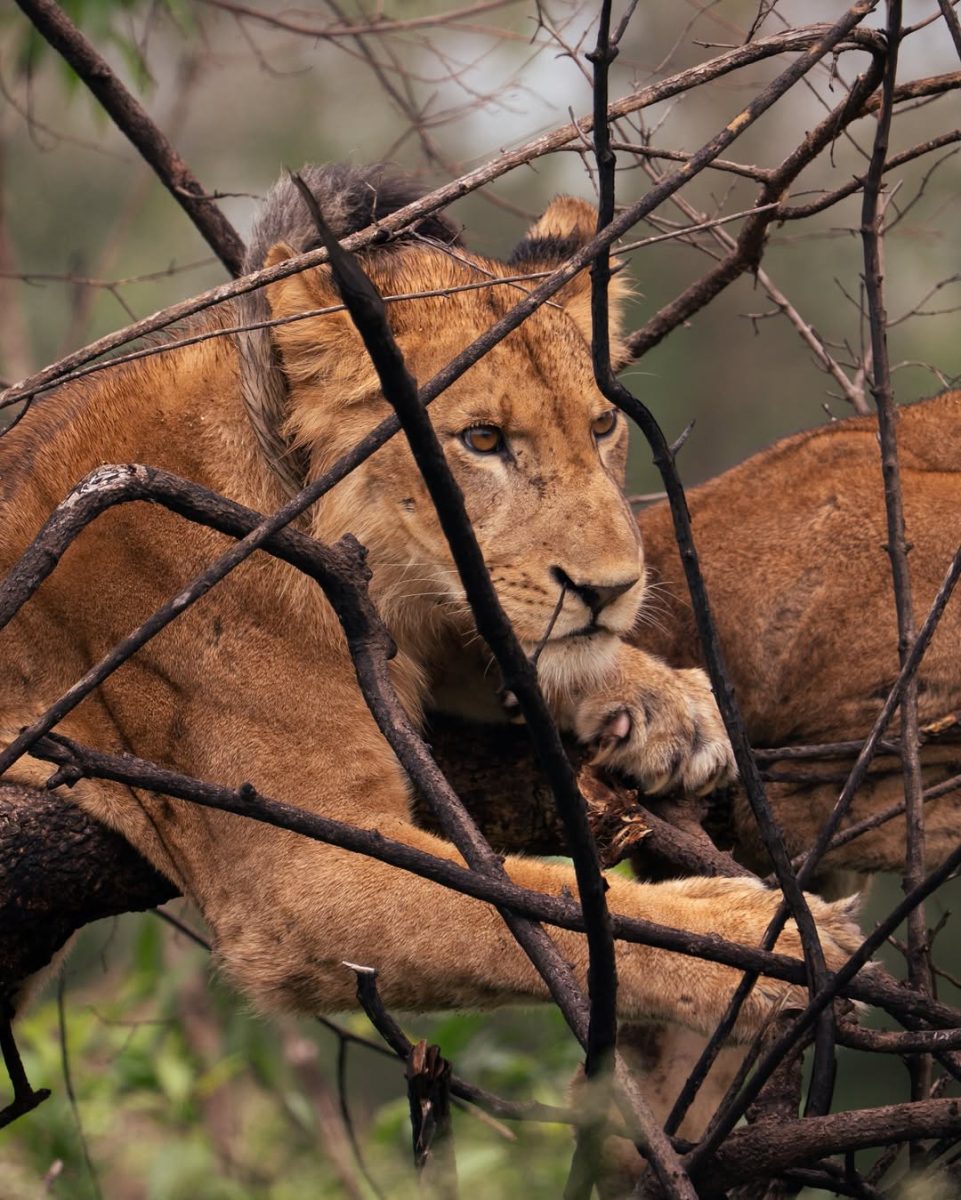
Imagine gazing across a golden savannah and spotting the regal silhouette of a lion perched high in the branches of a fig tree, legs dangling lazily, golden eyes scanning the horizon. It’s a surreal, almost magical scene—so unusual that it defies what many people believe about lion behavior. In fact, outside of Ishasha and a small area in Tanzania’s Lake Manyara National Park, this phenomenon is virtually unheard of.
Their presence in the trees isn’t just a fluke; it’s become a part of their daily rhythm. Whether escaping the midday heat, avoiding biting insects on the ground, or simply following learned behavior passed down through generations, these lions have made the treetops their thrones. For visitors, catching a glimpse of these majestic cats reclining among the branches is not only thrilling but also a rare privilege—one that often becomes the highlight of an entire Uganda safari.
Where Is Ishasha?
Ishasha is the remote southern sector of Queen Elizabeth National Park, near the border with the Democratic Republic of Congo and en route to Bwindi Impenetrable National Park. The landscape is different from the northern sectors—wilder, less visited, and dotted with vast fig trees, open savannah, and acacia woodland.
Why Do Lions Climb Trees?
Although there’s no single scientific consensus, several theories help explain this unusual behavior:
Escape from Heat & Insects: Climbing trees may help lions avoid the heat radiating from the ground and escape biting insects like tsetse flies.
Vantage Point: Trees offer a better vantage point to survey the territory and spot prey or threats.
Comfort & Habit: The wide branches of fig and acacia trees in Ishasha provide a comfortable perch. Over time, this behavior may have become learned and passed down through generations.
Regardless of the reason, it’s a behavior rarely seen outside of Uganda and parts of Tanzania.
Best Time to See Tree-Climbing Lions of Ishasha
You can spot the tree-climbing lions of Ishasha throughout the year, but your best chances come during Uganda’s dry seasons, when wildlife viewing conditions are at their peak.
June to August
December to February
During these periods, the weather is generally sunny and dry, which significantly improves visibility. The savannah grasses in the Ishasha sector are shorter, making it easier to scan the landscape and spot lions both on the ground and nestled high in the fig or acacia trees.
The dry heat also plays a role in this unusual behavior. Lions often seek refuge from the hot ground by climbing into the shady, breezy canopies of the trees—particularly during the warmest hours of the day, between 10 AM and 4 PM. Unlike the wet seasons, when lions may spend more time on the ground due to cooler temperatures and lush cover, the dry months encourage more tree-top lounging, making it the ideal window for sightings.
Additionally, dry-season game drives are more comfortable and predictable: roads are more accessible, and the risk of heavy rains disrupting your safari is minimal. This makes it not only easier to find the lions but also more enjoyable to explore the rest of Queen Elizabeth National Park.
How to Spot the Tree-Climbing Lions of Ishasha
These elusive lions aren’t always easy to find, especially when they’re napping high in the treetops. But with the right approach, your chances of spotting them increase significantly. Here’s how to improve your odds:
1. Go with a Knowledgeable Local Guide or UWA Ranger
Local guides and Uganda Wildlife Authority (UWA) rangers are your best assets on a safari. With years of experience, they know the specific areas where the lions are most often seen. They can recognize fresh paw prints, scratch marks, and other subtle signs of recent lion activity. Their knowledge of lion behavior, territory patterns, and even the “regular” trees used by specific prides makes them indispensable.
2. Focus on Large Fig and Acacia Trees
The lions in Ishasha favor the tall sycamore fig trees and wide-canopied acacia trees, whose strong branches provide ample support and shade. Use your binoculars to slowly scan the tree limbs for any sign of a tawny silhouette, a swinging tail, or a paw hanging over a branch. Lions tend to blend surprisingly well with the bark and leaves, especially from a distance—so take your time and be thorough in your search.
3. Start Your Game Drive Early
Plan to begin your drive around 6:00 to 9:00 AM when the day is still cool, or between 4:00 and 6:00 PM when temperatures begin to drop again. These are the times when lions are most active—either heading back to the trees after a morning hunt or stretching before a nighttime prowl. In the midday heat, they’re more likely to be seen lounging in trees to escape the hot ground below.
4. Watch for Clues: Vultures, Prey, and Scavengers
Keep an eye on the sky and the savannah. Circling vultures or noisy scavengers like hyenas and jackals may signal a recent kill nearby. After feeding, lions often rest in the trees to digest in peace. Similarly, a concentration of prey animals behaving nervously or gathering at a distance could indicate the presence of predators in the area.
What Else Can You See in Ishasha?
While Ishasha is world-famous for its tree-climbing lions, it’s also a hidden gem for other remarkable wildlife encounters. This remote southern sector of Queen Elizabeth National Park offers a wilder, less crowded safari experience, with sweeping savannah plains, seasonal rivers, and stunning fig tree landscapes that host a variety of animals and birds.
African Elephants
Large herds of African savannah elephants often roam through the open grasslands and riverine forests of Ishasha. You may spot them bathing along the Ishasha River or leisurely crossing the game tracks.
Uganda Kob
These elegant antelopes are the dominant prey species here—and a favorite target for Ishasha’s lions. Males can often be seen standing guard over harem groups, making for classic safari photos with lions lurking not far behind.
African Buffaloes
Ishasha is home to large, sometimes aggressive, herds of Cape buffalo. They often graze in the open plains or wallow in muddy areas during hotter hours, providing exciting viewing opportunities.
Leopards
Although elusive and shy, leopards do inhabit the Ishasha sector. Sightings are rare but possible—especially in the early morning or near riverine forests where they hunt small antelope and primates.
Topi Antelope
Ishasha is one of the few areas in Uganda where you can reliably see the Topi, a swift and striking antelope species known for their reddish-brown coats and high-speed sprints across the plains.
Spotted Hyenas
Often heard before they’re seen, spotted hyenas are nocturnal predators and scavengers. They play a vital role in the ecosystem and can occasionally be seen during early morning drives or near kills.
Birdlife and Scenic Beauty
Ishasha is also great for birding, with species such as African wattled lapwings, grey crowned cranes, and martial eagles soaring over the plains. The terrain itself—rolling grasslands dotted with ancient fig trees, seasonal wetlands, and views of the distant Rwenzori Mountains—is a dream for photographers and nature lovers alike.
Where to Stay

Ishasha Wilderness Camp
Ishasha has a range of accommodations, from luxury lodges to mid-range tented camps. Top options include:
Ishasha Wilderness Camp – Upscale riverside safari tents
Enjojo Lodge – Mid-range lodge with excellent views and wildlife
Ishasha Jungle Lodge – Cozy eco-lodge near the park entrance
These lodges often organize private game drives and packed meals for full-day lion tracking.
Combine Ishasha with Other Destinations
Many travelers visit Ishasha on their way to or from Bwindi Impenetrable Forest for gorilla trekking. You can also loop north to explore the main Queen Elizabeth attractions like the Kazinga Channel boat cruise and Kyambura Gorge.
Final Tips for Visitors
Permits: No special permits are needed to visit Ishasha, but park entry fees apply.
Vehicle: A 4×4 vehicle is essential, especially during the rainy season.
Respect Wildlife: Never approach lions or exit the vehicle outside designated areas.
In Summary
The tree-climbing lions of Ishasha are a rare and captivating sight—one that sets Uganda apart from other safari destinations. With the right timing, a bit of patience, and the help of a good guide, you could witness one of Africa’s most fascinating wildlife behaviors.