Why Bwindi is Africa’s Top Gorilla Safari Destination
May 29, 2025
Exploring Lake Mburo: Uganda’s Hidden Safari Gem
June 2, 2025Complete Guide to Kibale Forest National Park
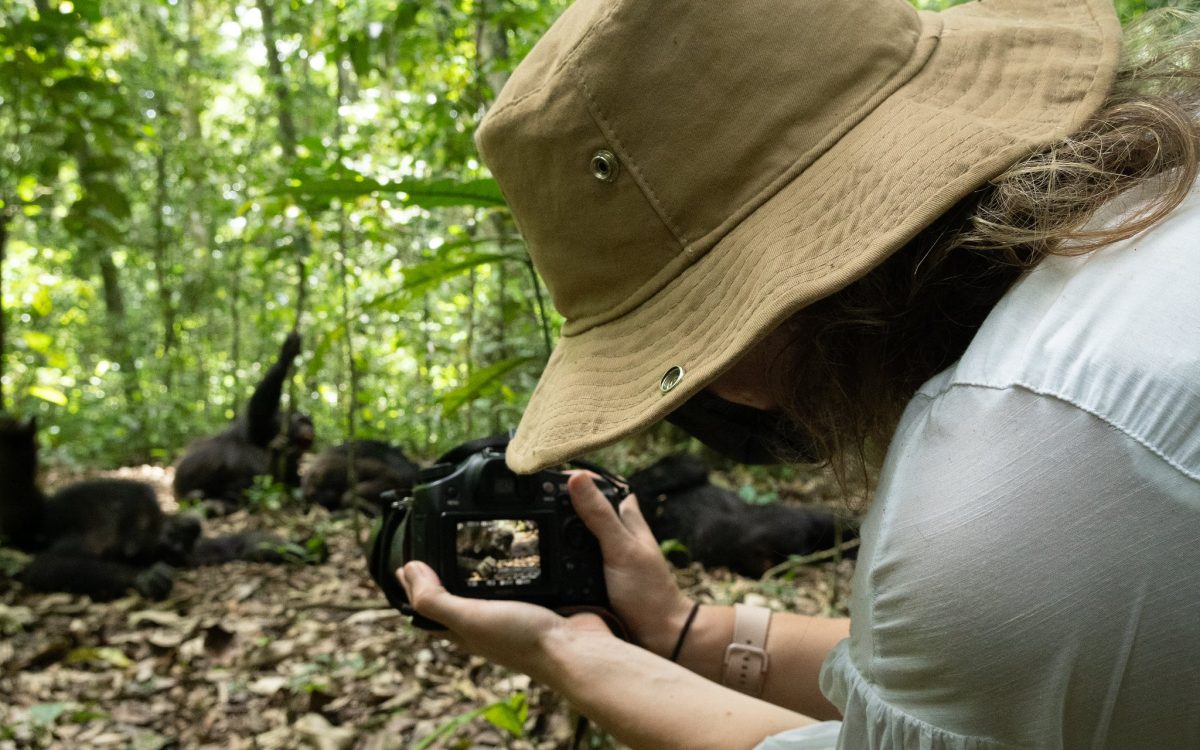
Kibale Forest National Park is one of Uganda’s top wildlife destinations and the primate capital of the world. Famous for its chimpanzee tracking experiences, this tropical rainforest is home to 13 primate species, hundreds of bird species, and a rich diversity of flora and fauna. Whether you’re a nature lover, birdwatcher, or adventure seeker, Kibale offers an unforgettable safari experience.
Its scenic beauty, easy access from Fort Portal, and close proximity to other attractions like Queen Elizabeth National Park and Bigodi Wetland Sanctuary make it a perfect addition to any Uganda or East Africa itinerary.
This Complete Guide to Kibale Forest National Park covers everything you need to know—from what to do and when to visit, to permits, accommodations, and travel tips.
Where Is Kibale Forest National Park Located?
Kibale Forest National Park is located in western Uganda, approximately 320 kilometers (about a 5–6 hour drive) from the capital city, Kampala. The park lies just south of the town of Fort Portal, a charming and rapidly growing tourism hub known for its scenic beauty, crater lakes, and views of the Rwenzori Mountains.
Covering an area of 795 square kilometers, Kibale stretches across several districts including Kabarole, Kamwenge, and Kyenjojo. It forms part of a critical conservation corridor that connects with Queen Elizabeth National Park to the south, allowing for the movement of wildlife such as elephants and primates between the two parks. This connection enhances both biodiversity conservation and the potential for extended safari itineraries.
The park’s location makes it easily accessible by road and air, and its proximity to other top attractions like Bigodi Wetland Sanctuary, Semuliki National Park, and Rwenzori Mountains National Park makes it a key stop on any western Uganda safari route.
GPS Coordinates:
Latitude: 0.4826° N
Longitude: 30.3847° E
Whether you’re driving from Kampala or flying into nearby Kasese Airstrip, reaching Kibale is convenient and rewarding, setting the stage for unforgettable wildlife encounters.
Why Visit Kibale Forest National Park?
1. Home to 13 Species of Primates
Kibale Forest National Park is renowned as the primate capital of Africa, offering the highest diversity and concentration of primates on the continent. With 13 different primate species recorded within its lush rainforest, the park is a dream destination for primatologists, nature enthusiasts, and wildlife photographers.
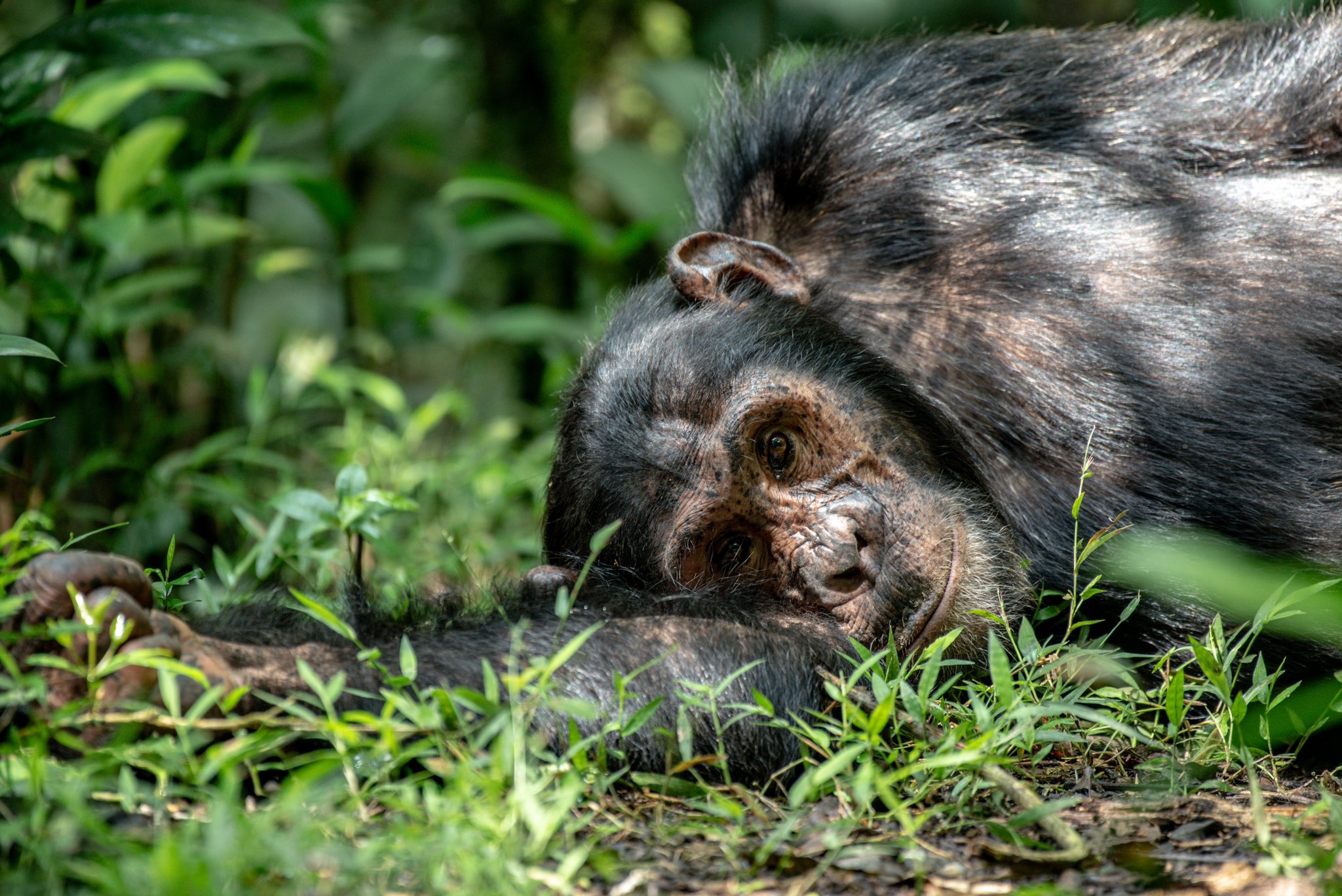
At the heart of the experience is the chimpanzee, our closest living relative, sharing about 98.7% of our DNA. Kibale is one of the best places in the world to observe wild chimpanzees in their natural habitat, with a habituated population that allows for exceptional trekking experiences. Visitors can witness these intelligent and social creatures as they forage, groom, vocalize, and swing through the treetops.
In addition to chimpanzees, Kibale is home to a wide variety of other fascinating primates, including:
Red colobus monkeys – A threatened species known for its striking reddish coat and playful behavior.
L’Hoest’s monkeys – Shy and elusive, these forest-dwelling monkeys are recognized by their dark fur and white beard.
Black-and-white colobus monkeys – Elegant and tree-dwelling, they are easily identified by their contrasting black bodies and flowing white tails.
Grey-cheeked mangabeys – These rare, stocky monkeys are often seen in small groups, feeding on fruits and seeds.
Olive baboons – The most terrestrial of Kibale’s primates, often seen in large troops along the forest edges and roads.
Other primates in the park include the blue monkey, red-tailed monkey, vervet monkey, and potto, among others. The incredible variety ensures that even casual trekkers are likely to encounter several species during a single walk.
What makes Kibale especially unique is the opportunity to see multiple primate species in a single trek, all within a pristine rainforest environment that has remained largely undisturbed for centuries. It’s not just a primate encounter—it’s a deep dive into a living, breathing jungle ecosystem.
2. Chimpanzee Tracking Experiences
The crown jewel of Kibale Forest National Park is its unforgettable chimpanzee tracking experience—a must-do activity for anyone visiting Uganda. With over 1,500 individual chimpanzees living in the park, Kibale offers one of the highest success rates (over 90%) for chimpanzee sightings in East Africa.
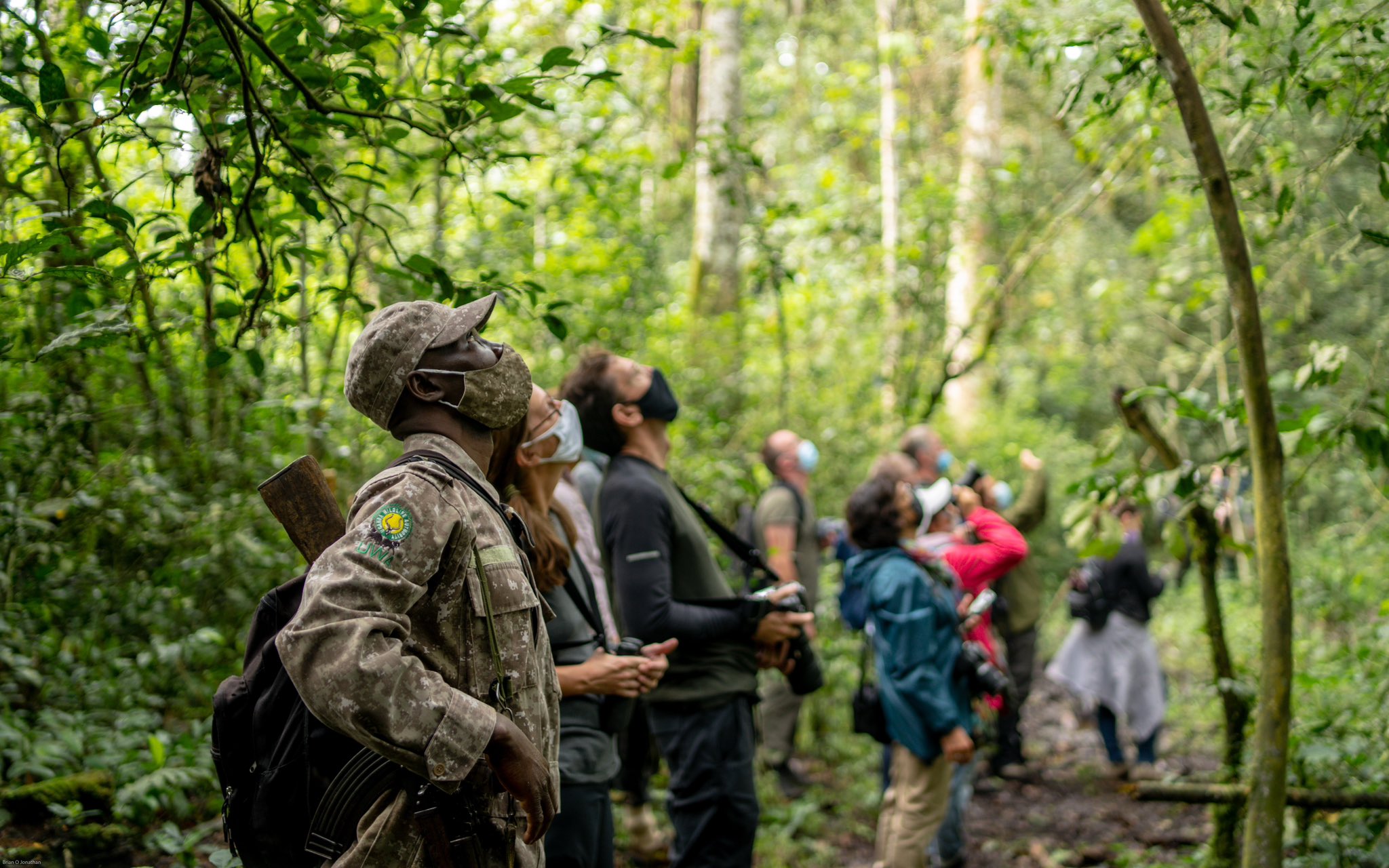
Led by expert Uganda Wildlife Authority guides, treks begin in the early morning and take you deep into the dense, humid forest, where you follow chimpanzee calls, fresh nests, and feeding trails. Along the way, you’ll likely encounter other primates, colorful birds, and lush vegetation that make the journey as exciting as the destination.
Once the chimps are located, you’re allowed one hour to observe them up close—watching them swing through trees, groom each other, communicate with loud calls, or even display dominance behavior. The experience is both intimate and awe-inspiring, providing a powerful connection to one of our closest relatives in the animal kingdom.
For those who want a deeper, more immersive encounter, the Chimpanzee Habituation Experience (CHEX) is highly recommended. Unlike the standard one-hour trek, CHEX allows you to spend 4–6 hours with a chimpanzee troop that is undergoing the habituation process. You’ll accompany researchers and trackers as they monitor behavior, social interactions, feeding habits, and nesting routines. It’s a rare opportunity to witness science in action and understand the complex dynamics of chimpanzee communities.
Both experiences require a permit, which should be booked in advance due to high demand and limited daily availability. Whether you choose the standard trek or the habituation experience, chimp tracking in Kibale is wildlife tourism at its best—educational, thrilling, and deeply memorable.
3. Rich Biodiversity and Birdwatching
While Kibale is world-famous for its primates, its appeal goes far beyond chimpanzees and monkeys. The park is a biodiversity hotspot, teeming with wildlife and offering rich opportunities for nature lovers, photographers, and birdwatchers.
Mammals and Forest Wildlife
Kibale is home to a range of mammals that thrive in its dense rainforest and adjacent habitats. Although they are more elusive and less commonly seen than primates, visitors may encounter:
Forest elephants – A smaller, more secretive subspecies of African elephant adapted to dense forest environments.
Buffaloes – Often found near swamps and forest clearings.
Bush pigs, duikers, giant forest hogs, and civets – adding to the mystery and excitement of a forest trek.
Nocturnal mammals such as bush babies, pottos, and genets may be spotted during guided night walks.
Birdwatching Paradise
Kibale is a birdwatcher’s dream, boasting over 375 bird species, many of which are forest specialists and rare endemics. The park is particularly famous for:
African pitta – A rare and colorful ground-dwelling bird, highly sought after by birders.
Great blue turaco – A large, fruit-eating bird with striking blue, green, and yellow plumage.
Green-breasted pitta – A shy and dazzling species, known for its vivid colors and rarity.
Other notable bird species include the yellow-rumped tinkerbird, black bee-eater, yellow-spotted barbet, and various hornbills, flycatchers, and sunbirds.
For the best birding experience, the nearby Bigodi Wetland Sanctuary, located just outside the park, is a must-visit. This community-run conservation area is known for both birdlife and primates, making it an excellent complement to the forest trails of Kibale.
Whether you’re scanning the treetops for turacos or waiting silently in the undergrowth for a glimpse of a rare pitta, Kibale offers one of the most rewarding birding and wildlife experiences in East Africa.
Guided Nature Walks

Nature Walk in Kibale National Park
One of the most enriching ways to experience the natural beauty and cultural heritage surrounding Kibale Forest National Park is through guided nature walks, especially in the nearby Bigodi Wetland Sanctuary.
Located just a short drive from the park entrance, Bigodi is a community-managed eco-tourism project that has become a model for sustainable tourism in Uganda. It offers visitors the chance to explore a lush tropical wetland rich in biodiversity while directly supporting local conservation and development efforts.
Wildlife and Plant Life
The Bigodi Wetland Walk takes you along raised boardwalks and forest trails through papyrus swamps, grasslands, and forest patches. It’s an excellent opportunity to spot up to eight species of monkeys, including:
Red colobus monkeys
L’Hoest’s monkeys
Red-tailed monkeys
Black-and-white colobus monkeys
In addition, the sanctuary is a haven for birdlife, with over 200 bird species recorded—making it a top birding destination in Uganda. Look out for the great blue turaco, papyrus gonolek, African paradise flycatcher, and many other colorful residents.
The wetlands are also home to numerous butterflies, reptiles, and rare plant species, including medicinal and culturally significant plants, which your local guide will highlight during the walk.
Community and Cultural Engagement
What makes the Bigodi experience even more meaningful is its strong community foundation. The project is run by the KAFRED organization (Kibale Association for Rural and Environmental Development), and proceeds from tourism are invested in local schools, health clinics, and infrastructure. By participating in a guided walk here, you’re not only exploring Uganda’s natural wonders—you’re also empowering local communities.
For visitors looking to go beyond wildlife viewing, you can also engage in cultural tours, visit local homesteads, learn about traditional crafts, or even participate in cooking demonstrations.
Best Time to Visit Kibale Forest
The best time to visit Kibale is during the dry seasons, from June to September and December to February. Trails are easier to navigate, and chimp sightings are more frequent. However, the park is open year-round, and each season offers a unique experience.
How to Get to Kibale Forest National Park
By Air:
Fly from Entebbe International Airport to Kasese Airstrip (about 1.5 hours).
From Kasese, it’s about a 2-hour drive to Kibale.
By Road:
Drive from Kampala to Fort Portal (about 5–6 hours), then continue to the park.
Accommodation Options in Kibale Forest

Whether you’re looking for a luxury rainforest escape or a comfortable budget stay close to the park, Kibale Forest National Park offers a wide range of accommodations to suit every traveler’s style and budget. Most lodges are located near the Kanyanchu Visitor Centre, the starting point for chimpanzee tracking.
Luxury Lodges
1. Kyaninga Lodge
Perched on the rim of a stunning crater lake, Kyaninga Lodge is the ultimate luxury escape near Kibale. The lodge features elegant, hand-crafted log cabins with private balconies overlooking the lake and the Rwenzori Mountains. Guests enjoy fine dining, a swimming pool, spa services, and guided walks around the lake. Perfect for honeymooners and luxury safari-goers.
2. Crater Safari Lodge
Located just a few minutes from the park, this award-winning lodge offers spacious cottages and safari tents with en-suite bathrooms, private decks, and lake views. The lodge combines comfort with eco-conscious design, offering great food, warm hospitality, and beautiful scenery—ideal for those seeking a premium experience close to nature.
Mid-Range Lodges
3. Turaco Treetops
A stylish and contemporary lodge that blends comfort with nature. Located near the park entrance, Turaco Treetops features beautifully designed cottages with floor-to-ceiling windows, elevated decks, and cozy interiors. It offers great food, a bar, and a relaxed forest vibe—perfect for couples and families seeking comfort at a moderate price.
4. Chimpanzee Forest Guest House
Set on a tea plantation with lovely views of Kibale Forest, this guesthouse offers a peaceful and homely atmosphere. Accommodation includes comfortable rooms and self-contained cottages. It’s known for its friendly staff, great meals, and close proximity to chimp tracking trails.
Budget-Friendly Options
5. Kibale Forest Camp
A great option for budget travelers who don’t want to sacrifice the experience. Kibale Forest Camp offers affordable safari tents (some en-suite) nestled in a forested area just outside the park. Guests can enjoy guided walks, a cozy bar and restaurant, and an authentic bush atmosphere.
6. Rweteera Safari Park
Located by a scenic crater lake near the park, Rweteera Safari Park offers budget cottages and tents in a relaxed setting. It’s ideal for backpackers and nature lovers who want to stay close to both Kibale Forest and Bigodi Wetland. Canoeing, village walks, and birdwatching are also available on-site.
Things to Pack for Your Kibale Safari
Preparing for your trip to Kibale Forest National Park is essential to ensure a safe, comfortable, and rewarding experience—especially if you’re planning on chimpanzee trekking or exploring the forest on guided walks. Here’s a detailed packing list with explanations to help you get the most out of your safari:
Sturdy Hiking Boots
The forest trails can be muddy, uneven, and slippery—especially during or after rain. Invest in waterproof, ankle-high hiking boots with good grip to protect your feet and provide the traction you need during treks.
Long-Sleeved Shirts and Trousers
Lightweight, breathable long-sleeved clothing helps protect you from sunburn, thorny plants, and insect bites—especially mosquitoes. Neutral or earthy colors are best for blending in with the environment and avoiding insect attraction.
Rain Jacket or Poncho
Kibale is a tropical rainforest, and showers can happen at any time, even in the dry season. A light, waterproof rain jacket or poncho is a must to keep you dry and comfortable during hikes.
Insect Repellent
Mosquitoes and other insects are common in forested areas. Bring a good DEET-based insect repellent or a natural alternative to protect against bites, especially during early morning or evening hours.
Binoculars
With over 375 bird species and numerous primates high in the canopy, a pair of binoculars enhances your chances of spotting and appreciating the park’s rich wildlife from a distance.
Refillable Water Bottle
Staying hydrated is important, especially during treks. A refillable water bottle or hydration pack is environmentally friendly and practical for long walks in the forest.
Camera with a Zoom Lens
You’ll want to capture the incredible moments—whether it’s a chimpanzee swinging through the trees or a colorful turaco perched on a branch. A DSLR or mirrorless camera with a zoom or telephoto lens (200mm or more) is ideal for wildlife photography.
Optional but Useful Items:
Gardening gloves (for holding onto branches during treks)
Sun hat or cap (for sun protection when walking through open areas)
Sunscreen and lip balm (for protection from UV rays)
Daypack (small backpack to carry your essentials)
Snacks or energy bars (especially for long treks like the Chimpanzee Habituation Experience)
Park Fees and Permits (2025 Rates)
Visiting Kibale Forest National Park requires specific permits for activities like chimpanzee trekking, habituation experiences, and nature walks. As of 2025, the chimpanzee trekking permit costs $250 USD for foreign non-residents and UGX 150,000 for East African citizens. This permit includes park entry and a guided trek to see the chimpanzees in their natural habitat, with a one-hour viewing opportunity once a group is located.
For a more immersive experience, the Chimpanzee Habituation Experience (CHEX) is available at $300 USD for foreign non-residents and UGX 250,000 for East African citizens. This full- or half-day experience allows you to join researchers and guides as they follow a chimp troop being habituated to human presence, giving you more time in close proximity with the primates.
Additionally, a guided walk through the Bigodi Wetland Sanctuary, known for its birdwatching and community tourism, costs $25 USD for foreign visitors and UGX 15,000 for East African citizens.
It’s highly recommended to book all permits in advance, especially for chimp trekking and habituation, as availability is limited and demand is high year-round. Permits can be secured through the Uganda Wildlife Authority (UWA) or via a licensed local tour operator, who can also assist with accommodation and transport arrangements.
Frequently Asked Questions
1. Is chimpanzee trekking safe in Kibale?
Yes, guided by experienced Uganda Wildlife Authority rangers, the treks are safe and professionally managed.
2. How fit do I need to be for chimpanzee tracking?
Moderate physical fitness is needed, as treks can last 2–4 hours through hilly, forested terrain.
3. Can I combine Kibale with other parks?
Absolutely! Kibale is close to Queen Elizabeth National Park, Semuliki National Park, and Rwenzori Mountains, allowing for a diverse safari itinerary.
Conclusion
Kibale Forest National Park offers one of the most authentic wildlife experiences in East Africa. From unforgettable chimpanzee trekking adventures to serene wetland walks and cultural encounters, this primate paradise is a true gem for any Uganda safari.
Whether you’re a seasoned traveler or a first-time visitor, Kibale promises a magical mix of adventure, education, and natural beauty that few destinations can match.